Erosion Control

Our skilled professionals and fleet of hydroseeding equipment and Erosion Control materials provide timely applications for any size project.

Erosion Control

Our skilled professionals and fleet of hydroseeding equipment and Erosion Control materials provide timely applications for any size project.

OVERVIEW

As Erosion Control laws have become increasingly more stringent, Marina’s Erosion Control team has developed a series of turnkey solutions that allows us to be your one-stop shop for complying with the new General Construction permit requirements. Our in-house team can put together a plan that takes your project all the way from developing a Storm Water Pollution Prevention Plan (SWPPP) to implementation of Best Management Practices (BMPs) to maintenance, and finally to a SWPPP Notice of Termination.

No job is too big or too small for us – our team has grown from a small department to an entire division performing hundreds of SWPPP installations per year. Working closely with both Private and Public sectors, we are dedicated to staying up-to-the-minute on current trends and developments – ensuring our customers we are working with top of the line equipment and with the latest technologies while staying compliant with ever-changing regulations.

You’ll never worry about fines or permitting restraints when you entrust our team to your Erosion Control needs.
OUR TEAM IS CERTIFIED IN THE FOLLOWING AREAS

  • QSD – Qualified SWPPP Developer
  • CPESC – Certified Professional in Erosion and Sediment Control
  • QSP – Qualified SWPPP Practitioner
  • CESSWI – Certified Erosion, Sediment and Storm Water Inspector
  • CISEC – Certified Inspector of Sediment and Erosion Control
  • ECC – Erosion Control Coordinator

CAPABILITIES

  • Hydroseeding
  • Hydromulching
  • Fiber Rolls
  • Erosion Control Blanket
  • SWPPP
  • BMP’s
  • QSD and QSP
  • Re-vegetation zones
  • Wetlands
  • Dust Control
  • Sand/Gravel Bags
  • Silt and Safety fence

FEATURED PROJECTS

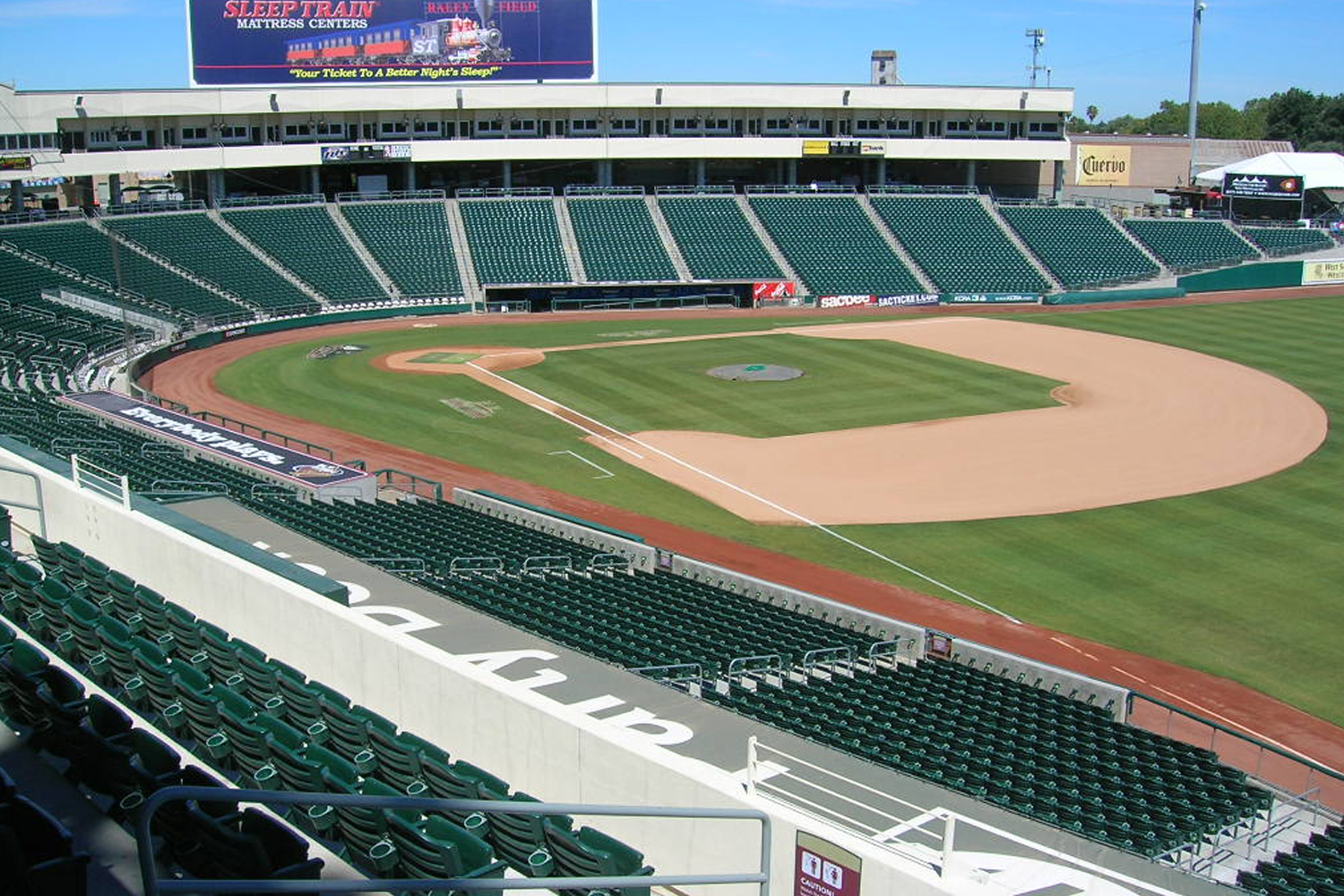
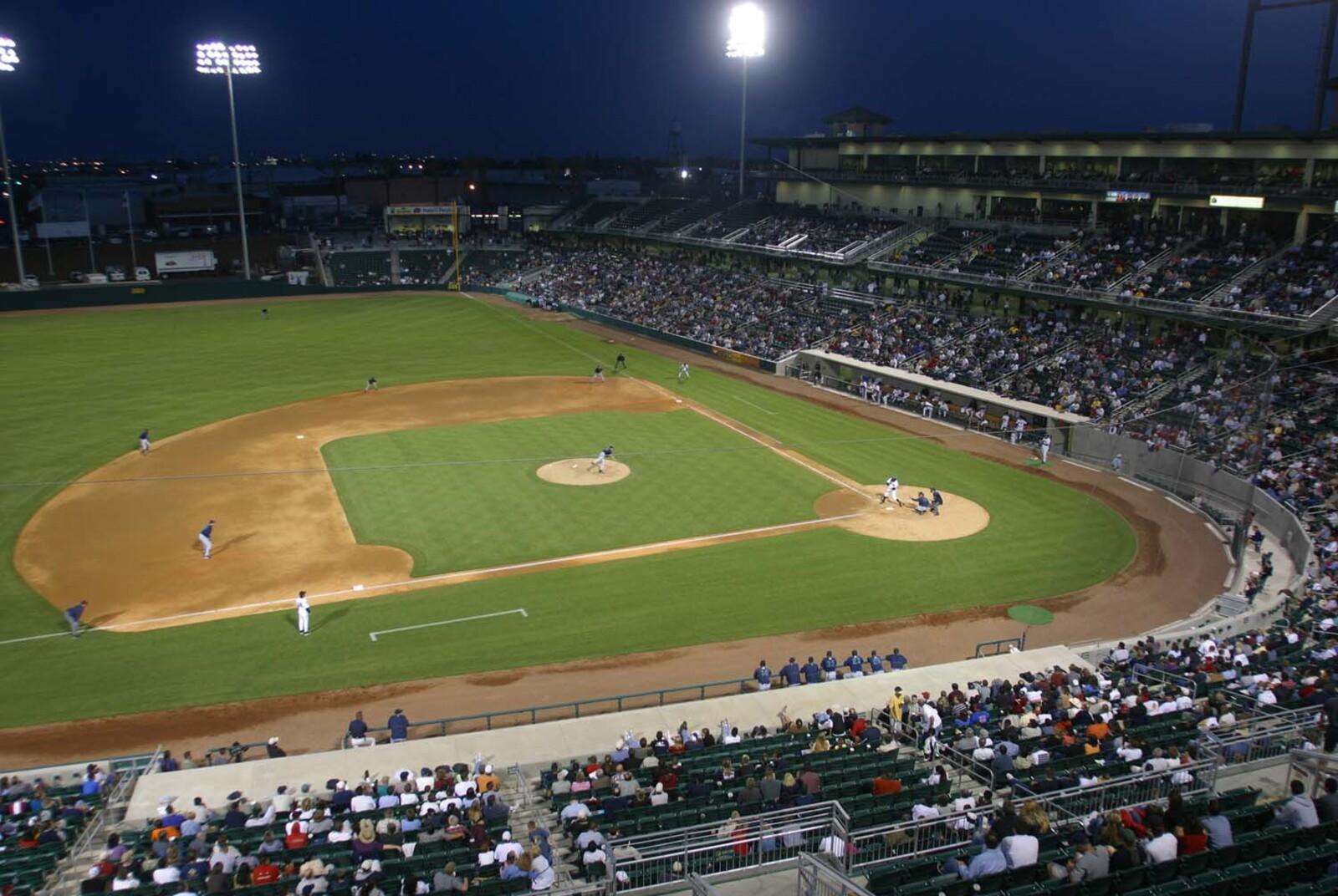
Raley Field

Raley Field, home of the Sacramento River Cats, opened on May 15, 2000 and serves as the Triple-A affiliate of the Oakland Athletics. Situated along the scenic Sacramento River, the stadium accommodates 14,680 fans and features a playing surface designed by Murray Cook, MLB’s official turf consultant. All turf materials were carefully selected and developed by Marina Landscape’s in-house sports group in collaboration with Matt LaRose, the River Cats’ first Head Groundskeeper. Marina Landscape’s scope of work included the installation of new landscape and irrigation systems, as well as the relocation of the high-line mainline to maintain system integrity during road widening operations. This project reflects our expertise in delivering high-performance sports environments and supporting infrastructure.

Fresno AAA Sports Complex

In 2002, the Triple-A affiliate of the San Francisco Giants unveiled a stadium and field that surpassed their cross-state rivals in West Sacramento. On May 1, 2002, the new downtown Fresno stadium opened to a standing ovation as the contractors responsible for its construction—including Marina Landscape, Inc.—were honored on the field. Marina was selected to build the playing field and played a pivotal role in value engineering the field components, leveraging past experience and trusted vendors to deliver a top-quality playing surface that meets professional standards. This project exemplifies our commitment to excellence and innovation in sports field construction.

UCI Humanities Building

Working with Hensel Phelps Construction Co., Marina Design Group and Marina Construction are part of the design build team for the new UCI Humanities building located on the Irvine campus. The design team has designed the planting to interface with the existing plant palette of the UCI campus, using low maintenance planting as well as allowing accent planting at key interface points to the building. The rear and sides of the building have a variety of California native plants that identify the edges of the rear plaza, as well as guiding students down the walkway to the rear classrooms. Marina Design Group has utilized natives that are appropriate for each particular landscape condition, for a reduction in the amount of water usage and maintenance.

Hoover High School

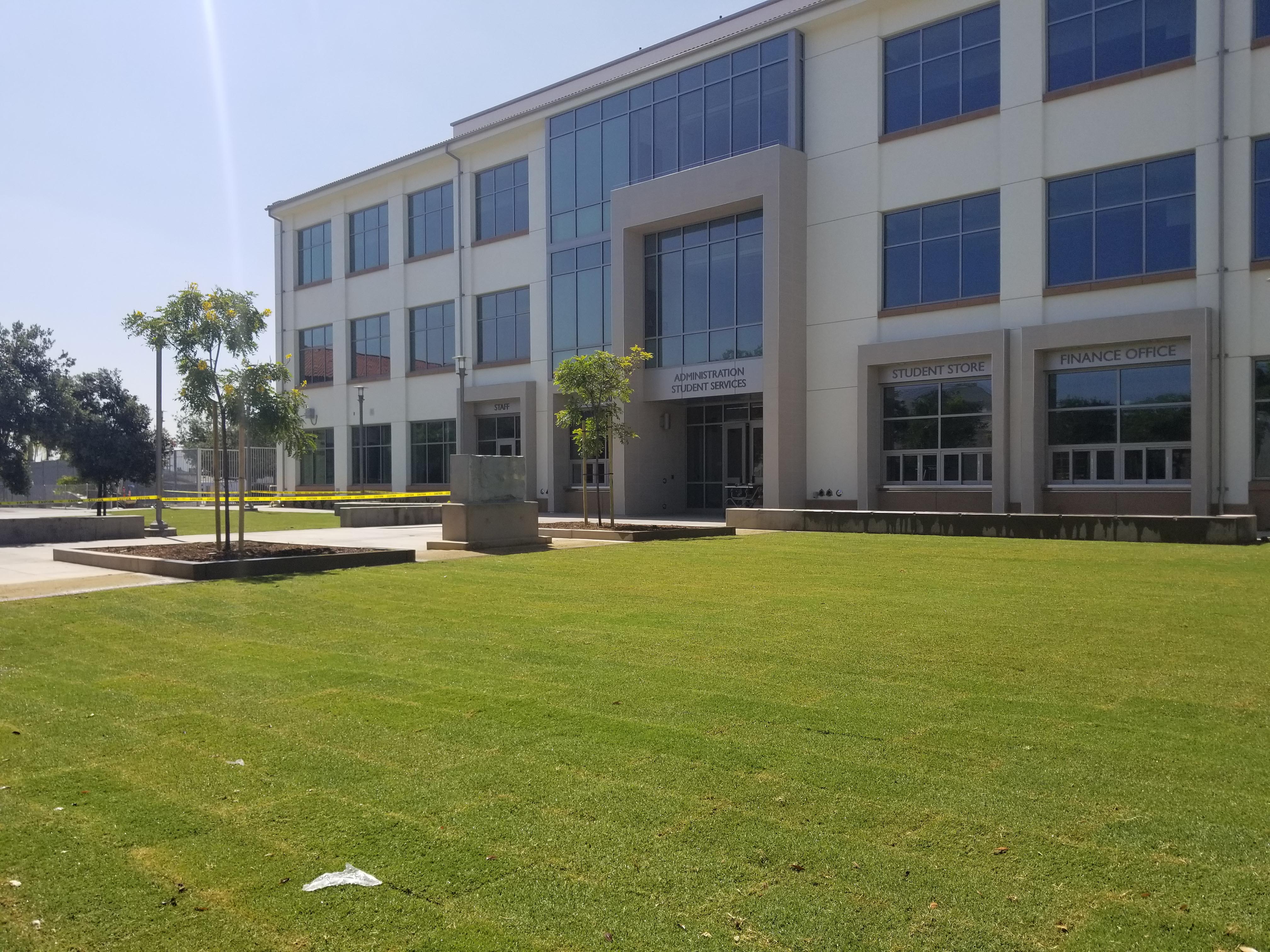
The construction efforts at Hoover High School are focused on modernizing and enhancing the campus facilities—42 years after the school’s original development. Marina Landscape is honored to partner with Balfour Beatty on this significant restoration project, contributing our expertise to create functional and aesthetically pleasing outdoor spaces that support the school’s vision for the future.

Via Toledo Park

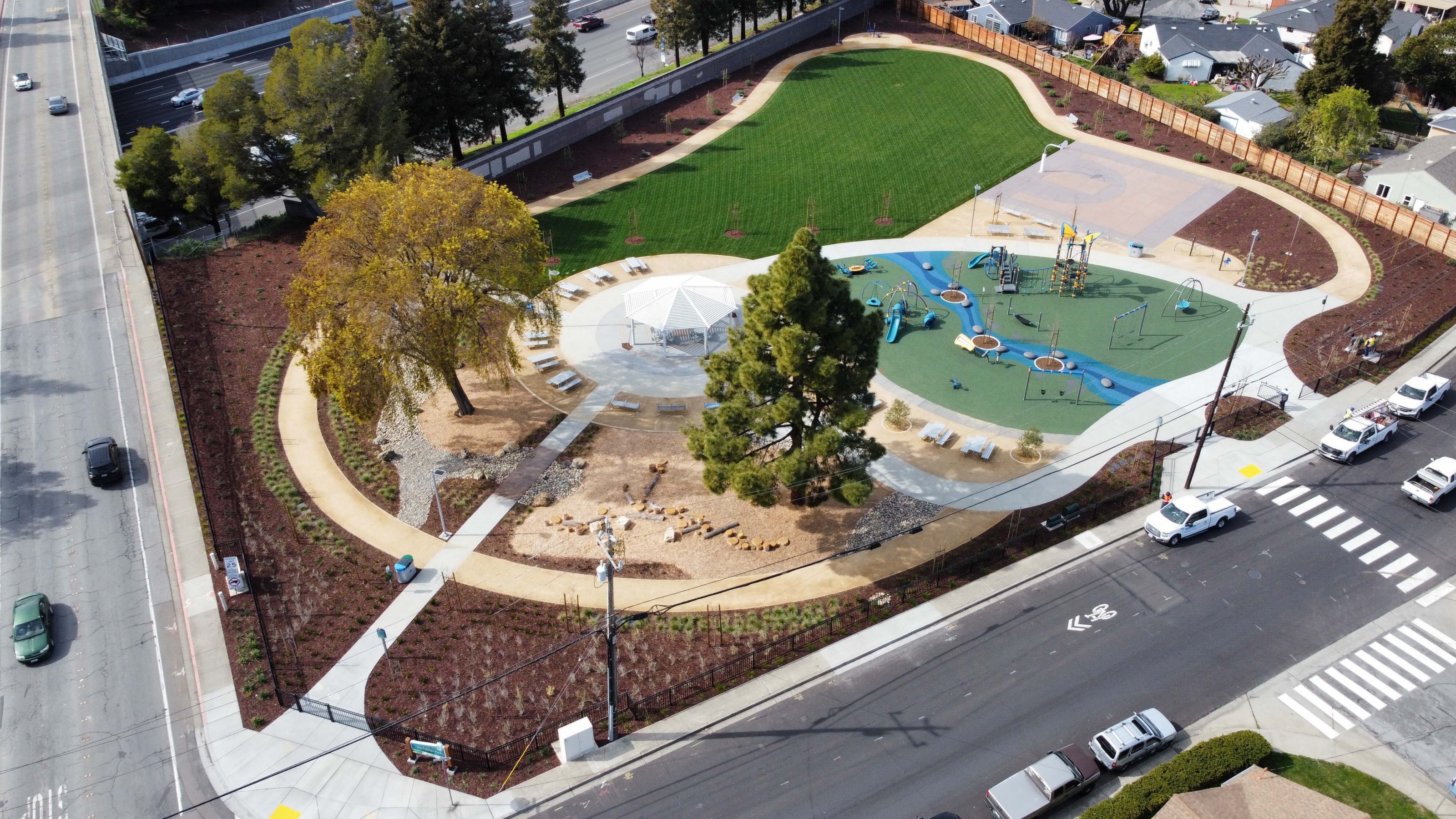
Via Toledo Park, located at 18651 Via Toledo, San Lorenzo, CA, is a vibrant new community space designed for recreation and relaxation. The park features play areas, basketball courts, an open lawn, walking paths, exercise equipment, picnic areas with shade structures, as well as fencing, signage, and comprehensive planting and irrigation systems—all created for local residents to enjoy year-round.

Schaefer Ranch Park

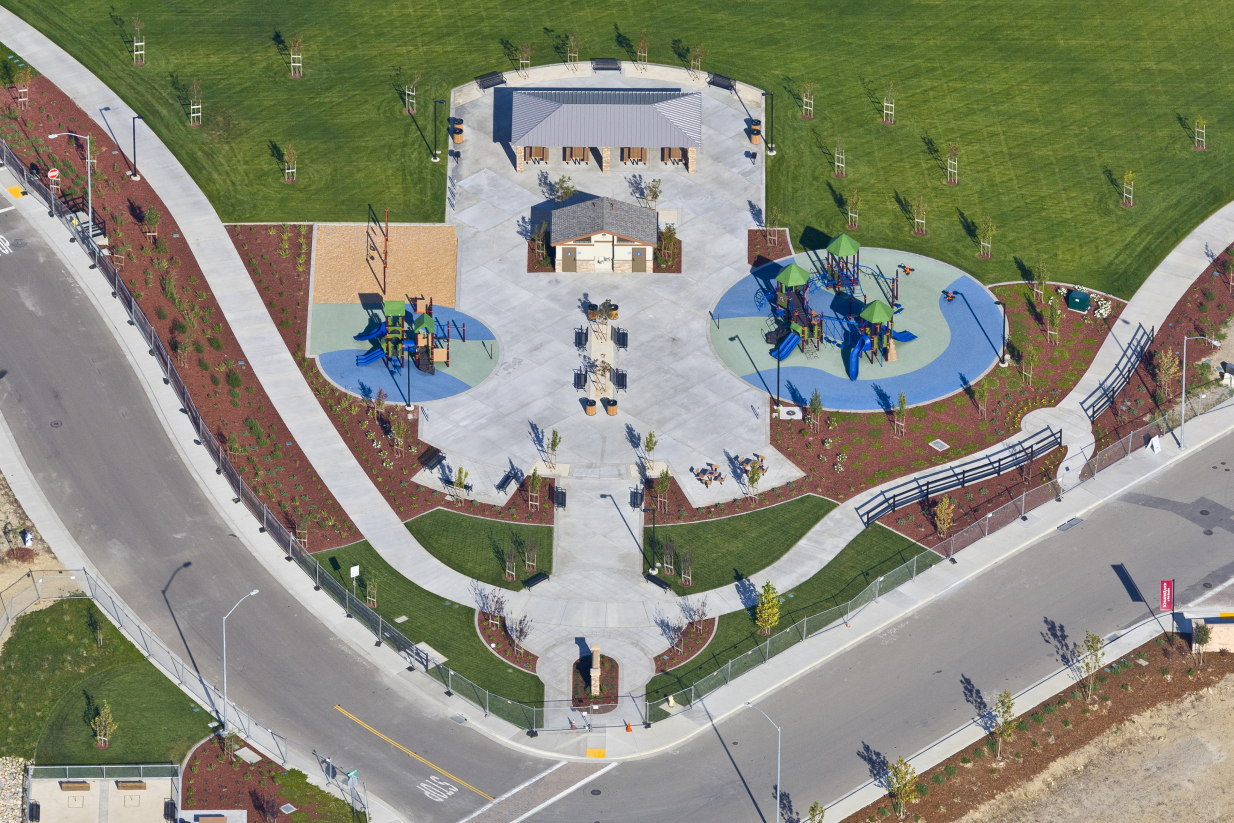
This 6.3-acre park features a "tot lot" for 2- to 5-year-olds, an apparatus play area for 5- to 13-year-olds, a covered picnic structure with eight tables, a tennis court, a basketball court, and a pair of game tables for checkers or chess. A unique "pocket park," featuring horseshoe pits and additional picnic tables, is located just across the street.

Regulus Solar Farm

Marina is privilege to work with SunEdison, Inc., the world's largest renewable energy development company and successfully completed the Regulus solar facility in Kern County, California. The 81.6 MW facility is one of SunEdison's largest utility scale solar power plants in California and is anticipated to provide almost $184 million in revenue to local businesses, governments and households during the first 20 years of operation.

West Valley- Mission Community College District

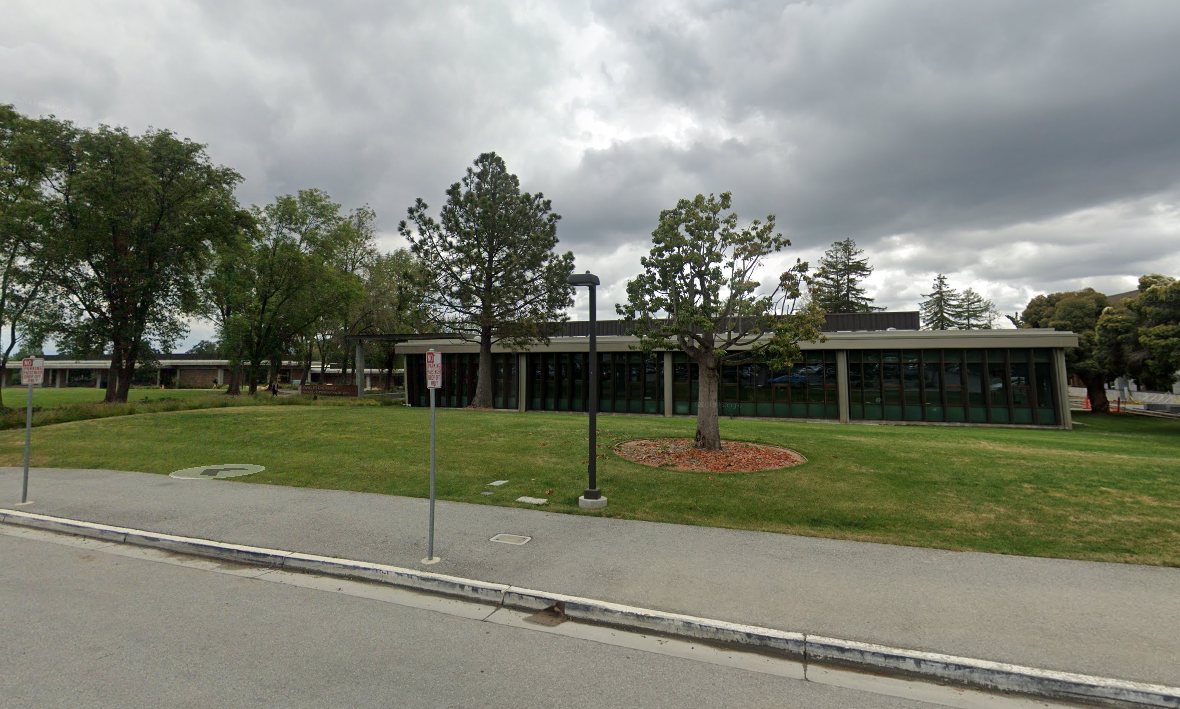
Mission’s renovation project is part of the eventual replacement of the original Main Building and other facilities in the main campus. Another significant part of this project will be the demolition and reconstruction of the main entrance to the campus from Mission College Blvd. It will include improved traffic routing and new college entry signage consisting of vertical granite slabs, concrete and landscape construction and erosion control.